
Author of the article: Abbas Safari
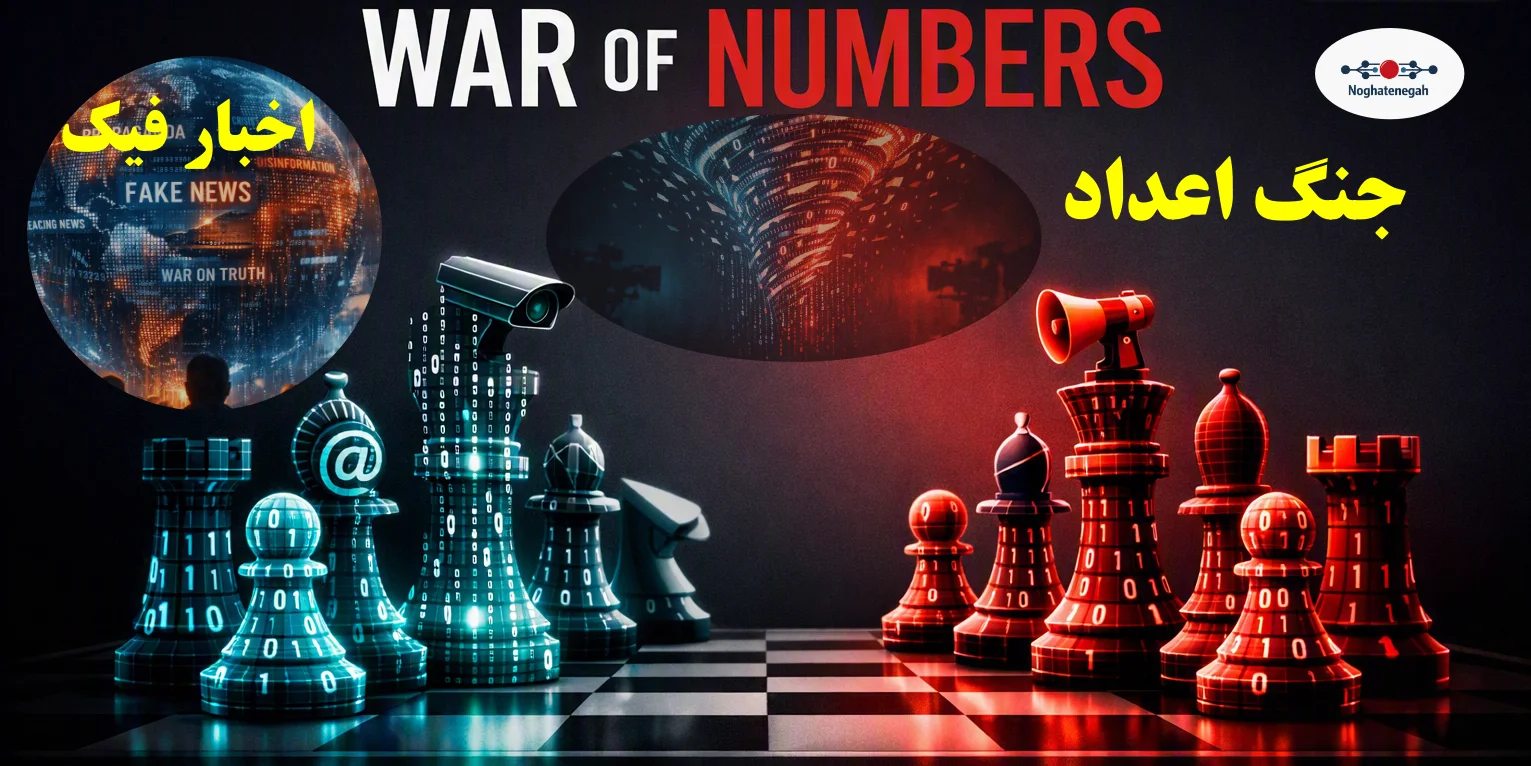
In the modern era, the primary instrument for controlling societies is no longer direct military intervention, but rather the “engineering of narratives.” News is no longer reported merely to inform; it is scripted to frame human cognition, manipulate emotions, and manufacture consent.
When a gap is deliberately engineered between “what actually happened” and “what is portrayed in media,” a phenomenon known as Alternative Reality emerges. In this article, by examining a live case study from recent events in Iran, we deconstruct the psychological mechanisms of fabricated narratives and the political agenda behind the “war of numbers.”
1. Psychological Mechanisms in Capturing Public Opinion
Fabricated narratives and sensationalised rumours rely heavily on three core pillars of media psychology:
- Confirmation Bias: In times of crisis, people tend to accept figures and news that align with pre-existing anger, fear, or political desires without demanding evidence.
- Polarisation: By reducing complex realities into binary “us vs. them” frames, critical thinking is suspended. Audiences unconditionally accept unverified claims from their aligned political camp whilst dismissing empirical, evidence-based analysis.
- First Narrative Advantage: Communication studies show that the initial narrative broadcast within the first 30 minutes of a crisis anchors public perception. Subsequent retractions or verified reports struggle significantly to alter this established mindset.
2. Case Study: The War of Numbers and Verification
The most tangible example of this mechanism is the “war of numbers” surrounding the casualties during the January unrest in Iran. Examining various media outlets reveals four distinct patterns of handling truth:
A) Unverified Claims by Donald Trump
Donald Trump, speaking from the White House on different occasions, cited fluctuating figures without providing a single page of documentation or an identifiable list. According to international media coverage such as CBS News, he initially claimed 32,000 deaths, which he later escalated in subsequent interviews to 40,000 and eventually over 50,000 to 60,000 without presenting new empirical evidence.
B) Media Amplification by Opposition Outlets
Simultaneously, aligned monarchist and opposition outlets like Iran International, citing unverified “internal sources,” headlined figures ranging from 35,000 to 40,000. The primary objective of this saturation was to induce psychological shock in an information vacuum.
C) Official Delays and State Contracting
Conversely, state institutions issued delayed and contracted statements, eventually claiming 3,117 casualties. This prolonged delay and lack of transparency directly fuelled the proliferation of alternative rumours and inflated figures.
D) Empirical and Identified Verification (Human Rights Organisations)
The boundary between “sensationalist inflation” and “empirical truth” became clear when independent human rights organisations conducted field verification. According to a comprehensive investigative report by the Iran Human Rights Organisation, a total of 4,200 casualties were documented, with 3,800 individuals fully verified by name, age, location, and identification records.
3. The Agenda: Why Inflated Figures?
Promoting unverified, astronomical figures is not a mere statistical error; it is a calculated three-stage operation:
- Psychological Shock and Analytical Paralysis: Inflated numbers pushing 60,000 force society into a state of absolute catastrophisation, neutralising rational analysis and critical questioning.
- Silencing Empirical Verification: Mass propagation of unverified figures drowns out independent human rights work focused on tedious, name-by-name identification.
- Manufacturing Immediate Legitimacy for Political Figures: Amid the cognitive paralysis caused by such figures, the ground is prepared for presenting a “sole saviour.” Media operations leverage this vacuum to push an exhausted society towards accepting the uncritical leadership and mandate of figures like Reza Pahlavi without demanding political programmes or accountability.
Key Takeaway: Populist political actors and sensationalist media view human beings as “numerical tokens for political leverage.” In contrast, rigorous, independent analysis sees individuals through their names, identities, and dignity.
4. Three Questions for Analytical Immunity
To avoid falling into the trap of media operations, critical engagement with news requires asking three fundamental questions:
- Question 1: Whose political legitimacy or leverage does this specific figure or narrative serve?
- Question 2: Is this claim supported by verifiable, identity-based evidence, or is it designed solely for emotional shock?
- Question 3: Does this media outlet encourage critical reflection, or does it aim to induce anger, hysteria, and blind obedience?