
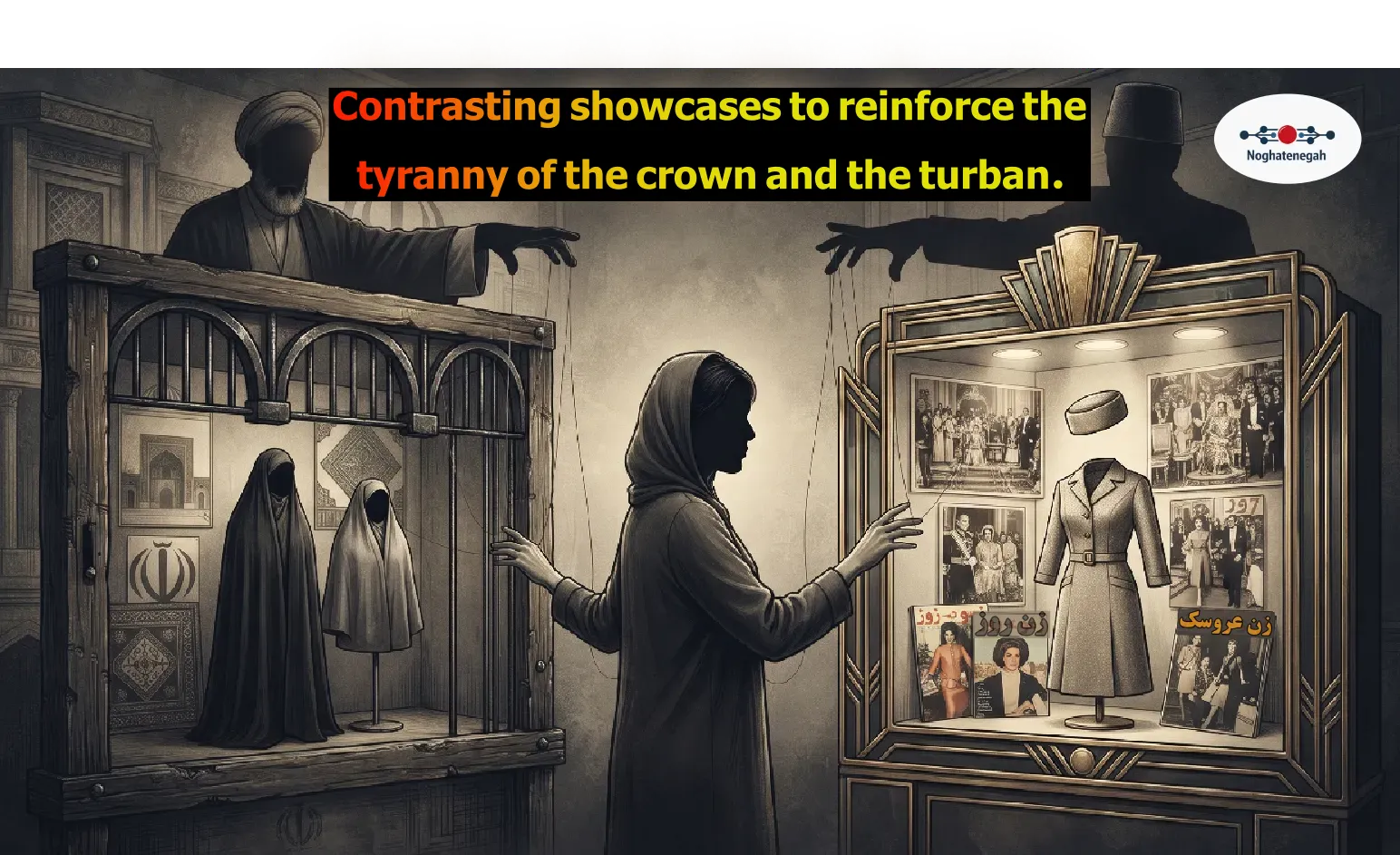
State Feminism in the Pahlavi Era: From the Window-Dressing of Authoritarian Modernisation to Political Dependency
State feminism in Pahlavi era
Examining Iran’s contemporary history reveals one of the most complex and misleading paths in the realm of women’s rights: the phenomenon of “state feminism and authoritarian modernisation” during the Pahlavi era (from Reza Shah to Mohammad Reza Shah).
State feminism in Pahlavi era
At first glance, this period is marked by attractive, progressive titles: from the decree on compulsory unveiling and the establishment of girls’ schools to the granting of suffrage in the White Revolution and the enactment of family protection laws. However, when we strip away this glossy showcase and dissect the underlying reality relying on independent academic research and historical documents, a completely different picture emerges; a picture in which “woman” was not regarded as a citizen with agency and independence, but rather as a “project to showcase the regime’s modernity” and a tool to suppress traditional institutions.
1. The Nexus of Political Dependency, Reza Shah’s Exile, and Palace Backgrounds
When discussing Reza Shah’s state feminism and authoritarian modernisation, we cannot separate it from its shaky political foundations and structural dependency on foreign powers. A regime that came to power through a coup d’état backed directly by the British Empire ultimately faced nothing but dependency in foreign policy.

The Exile of Reza Shah Alliance with Hitler and Fall: On the eve of World War II, Reza Shah’s proclivities toward Nazi Germany and the fascist bloc (hoping to rely on another foreign power to preserve internal despotism) provided the Allies with the pretext to occupy Iran in September 1941. The ignominious end of his monarchy was sealed with a forced resignation and a humiliating exile by the British to Mauritius (and later Johannesburg); an event proving that a regime devoid of popular roots can be easily swept aside by a foreign will.
2. Reza Shah’s Compulsory Unveiling; Forced Modernisation and Forced Isolation
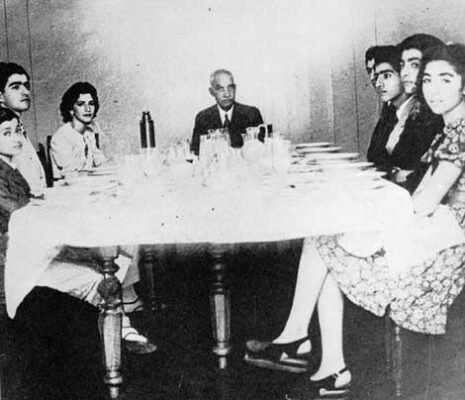
During the reign of Reza Shah, Iran’s modernisation project was launched with an autocratic and top-down momentum. The decree on compulsory unveiling in January 1936 was the climax of this prescriptive outlook. From the perspective of social history researchers, the core issue with this decree was not its content, but rather its “coercive and violent” implementation.
Government agents forcefully ripped chadors and headscarves from the heads of women and girls in public spaces.
State feminism in Pahlavi era
This systematic violence drove a vast segment of traditional and religious families—fearing the loss of security and family dignity—to pull their daughters out of schools and force them into seclusion; a measure that, contrary to its proclaimed objective, resulted in the educational deprivation of thousands of Iranian girls.
Simultaneously, the government dismantled all independent women’s associations, societies, and publications that had formed since the Constitutional Revolution relying on women’s own civic will, leaving no independent voice outside government control.
State feminism in Pahlavi era
3. Mohammad Reza Shah’s Succession, Multiple Marriages, and the Palace’s Instrumental View of Women
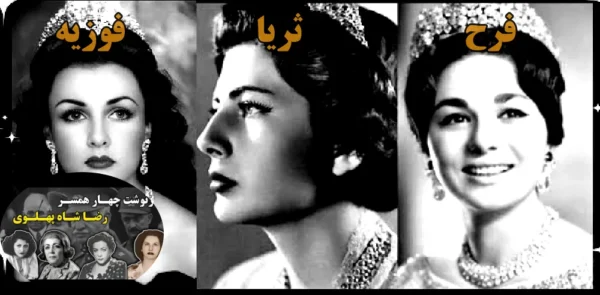
Following Reza Shah’s fall, his son Mohammad Reza ascended the throne with renewed foreign backing. The second Pahlavi court also maintained a thoroughly instrumental and aristocratic outlook toward women in both personal life and the structure of power.
Political and Multiple Marriages: Mohammad Reza Shah’s serial marriages (with Fawzia, Soraya, and later Farah Diba/Pahlavi) were less about romantic bonds and more instruments for political legitimisation, consolidating ties with foreign courts, or resolving domestic succession crises (particularly the imperative of producing a crown prince).
Confessions and Margins: Even Farah Pahlavi, in her memoirs and subsequent interviews, explicitly acknowledged Mohammad Reza’s numerous affairs and the patriarchal, aristocratic atmosphere governing the Pahlavi court; an environment where court women functioned either as pawns in political games or as manifestations of luxury devoid of the true meaning of human rights.
State feminism in Pahlavi era
4. The Second Pahlavi Era and Showcase Feminism; Bestowed Rights Without Real Power
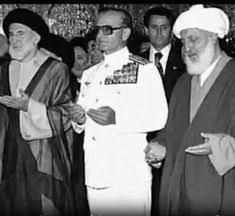
During Mohammad Reza Shah’s era, this approach grew more sophisticated. The establishment of the Women’s Organisation of Iran (WOI) in 1966 and the passage of the Family Protection Laws in 1967 and 1975, while imposing restrictions on polygamy and granting relative divorce rights to women, represented changes handed down as gifts from the court rather than achievements of democratic, bottom-up struggles.
Performative Political Participation: Although women gained the right to vote and be elected in 1963 (during the White Revolution), within the autocratic and single-party structure of that era, elections lacked genuine meaning. The share of women in key decision-making positions, ministries, and senior management remained negligible, lingering below 5 per cent.
State Feminism: The second Pahlavi regime used women’s rights as a “showcase for international legitimacy” before the West to project modernity, while forbidding any independent civic or feminist organisation outside the court’s framework. Any authentic demands were repressed, and independent female activists faced security crackdowns.
State feminism in Pahlavi era
5. Class Divide and the Marginalisation of the Masses
The Pahlavi modernisation discourse was an urban, affluent phenomenon restricted to the upper-middle and upper classes of society. Educational and legal reforms never penetrated equitably to the lower strata of society, rural women, and the deprived. The majority of women residing in villages or city outskirts remained trapped in the cycle of illiteracy, structural poverty, and profound deprivation, as the capital’s superficial laws never engendered a fundamental change in their actual lives.