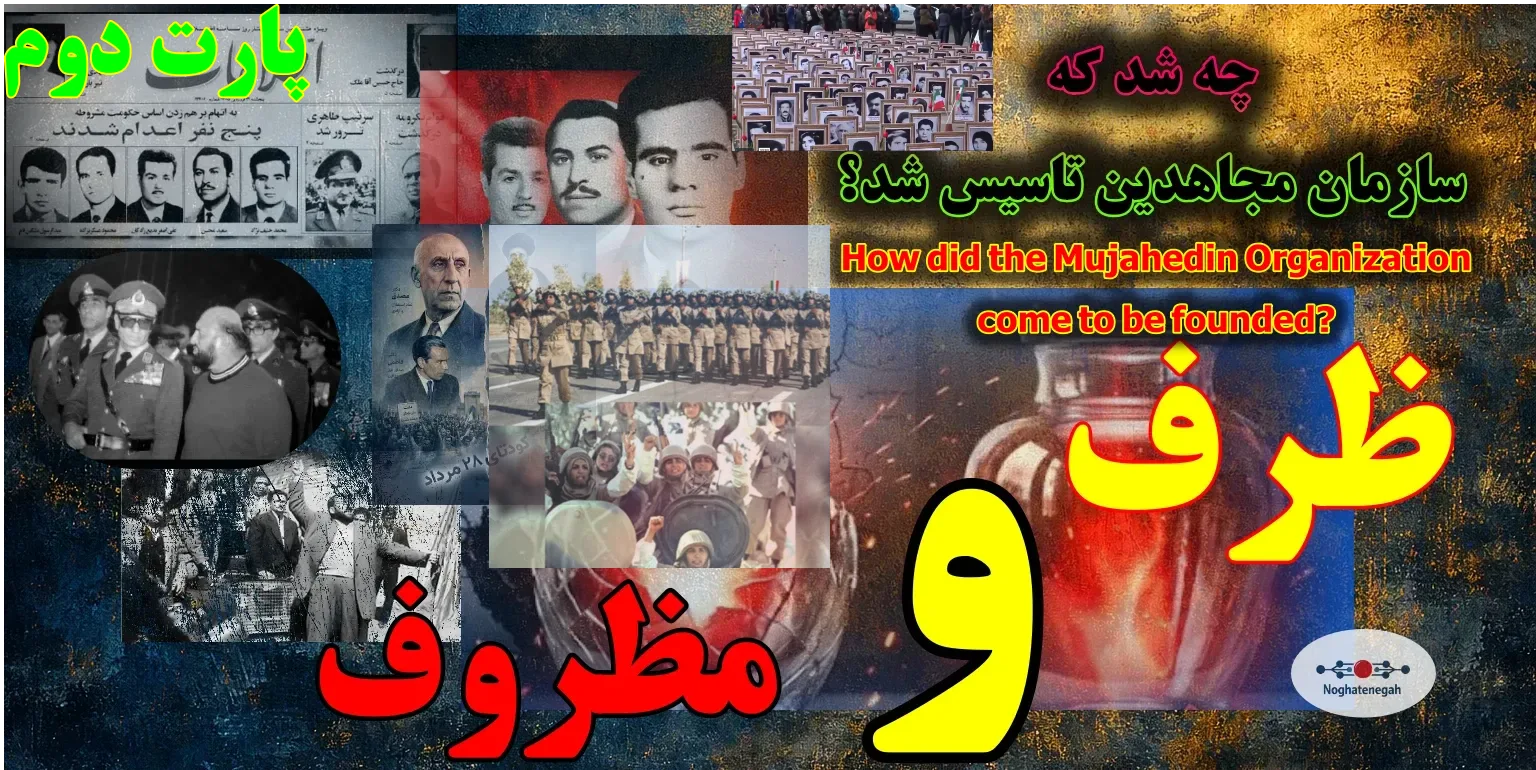
From SAVAK’s Structure to 30 Khordad 1360: Dissecting Legitimate Defence and the National Liberation Army (Part Two)
SAVAK structure and 30 Khordad
When a deeply rooted ideology takes hold in a society, totalitarian systems close all peaceful avenues to crush it in its infancy. The 1979 Revolution triumphed, but it did not take long for the security-driven suppression machine to return with a new face. Right from the beginning, universities and centres of rationality were closed under the guise of the Cultural Revolution, and the regime laid bare its reactionary nature. Mandatory veiling and misogyny from the very outset of the revolution, alongside numerous other facts, demand independent programmes.
*
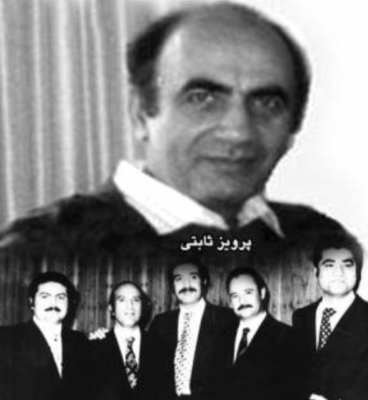
It is interesting to note that the structure and experts of the Shah’s SAVAK were transferred to the new regime because the blueprints, intelligence, and dossiers were already prepared, and the survivors of the former tyranny saw the best opportunity to settle scores with the Mojahedin! Here, a fundamental question arose: when the right to life and the pen are stripped from an intellectual current, what is the rational reaction for survival?
30 Khordad 1360; Lust for Power or Legitimate Defence?
SAVAK structure and 30 Khordad
Before entering this subject, I must point out that during the first war, which began in 1359 (1980) when Iraq was the aggressor, the Mojahedin fought wholeheartedly at the front against Saddam.
Was entering the armed phase on 30 Khordad 1360 a choice born of a lust for power? By no means. The vessel of thought and anti-tyranny ideology—which had already paid high costs to overthrow the tyranny of the Shah’s boots—now witnessed its office, pen, and freedom being crushed beneath the boots of turbaned despotism.
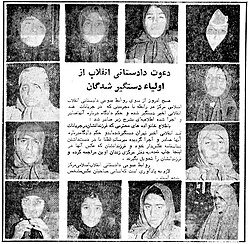
Amidst this, the Militia—namely that young, passionate generation of students and scholars who sought to awaken society through distributing publications and exposing activities—became the target of the most naked killing machine. In the early 1980s, with the daily execution of hundreds of these young boys and girls, the regime’s message was clear: “No peaceful activity will be tolerated!”
30 Khordad
The 30th of Khordad 1360 was a reaction to safeguard the life of an ideology. Either they had to submit to systematic suppression and watch all freedom-seeking voices be smothered, or they had to exercise their right to “legitimate defence”. The 1980s alone require hundreds of documentaries, but this juncture marked the beginning of paying the heaviest price to preserve a thought and ideology that had to be paid for. From executions to safe houses being betrayed,
*
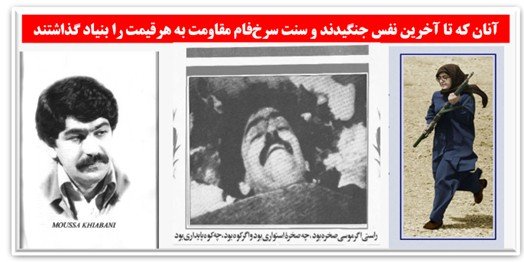
where the regime brutally attacked them with mortars and RPGs, from the assassination of commanders to anyone possessing the slightest affinity with the organisation—none were spared; the regime even used the corpses of Mousa Khiabani and Ashraf Rajavi to break the morale of prisoners.
Settlement in Iraq and the National Liberation Army: A Fair Dissection
SAVAK structure and 30 Khordad
Subsequently, settlement on Iraqi soil and entering the geopolitical challenges of the war constituted a high-cost turning point. Today, we frequently hear claimants and analysts whipping the National Liberation Army without restraint. But if we are to judge as fair researchers, we must first consider the proportions.
Was there a severe disproportion against the suppression power of the regime’s Islamic Revolutionary Guard Corps (IRGC), regular army, and security apparatus? Yes! Were there miscalculations? There could well have been. Was damage inflicted upon the body of the “vessel” (the organisation)? One hundred per cent!
30 Khordad
However, the main question is this: was the content of the vessel (the substance), which is the ideology of freedom, harmed? This is one of those subtle points that many choose to ignore. Yet, as an Iranian speaking without bias, I say: No! The content of the vessel not only did not decrease, but actually increased! Why? Because you must take into account the volume of behind-the-scenes dealings, the policy of appeasement by Western powers,
SAVAK structure and 30 Khordad
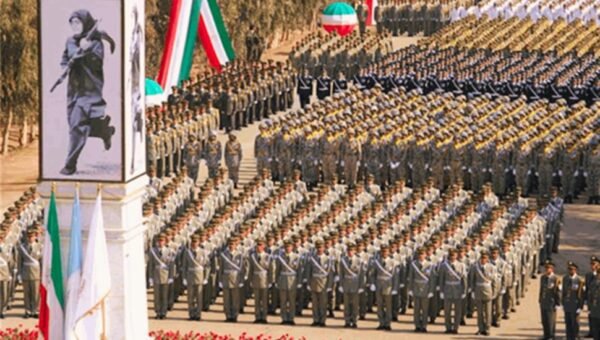
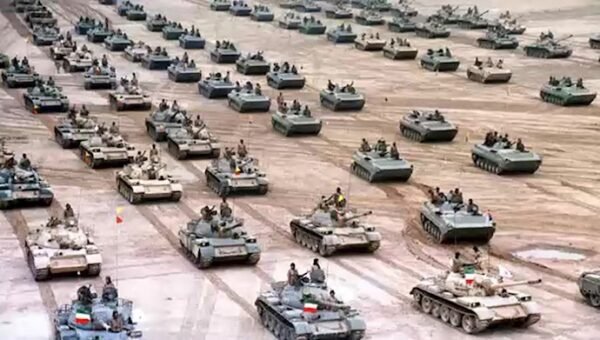
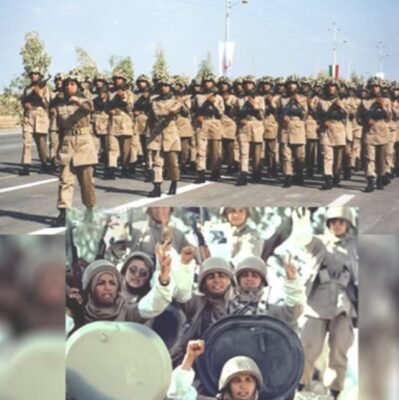
the regime’s missile attacks, assaults by regime proxy forces, the relocation to Camp Liberty, and the regime’s billion-dollar expenditures to destroy this vessel—all of which demonstrate that despite the disproportion of forces, the National Liberation Army and resistance units dealt decisive and vital blows to the body of tyranny, preventing the continuation of the anti-patriotic war. Mention can be made of operations that severely troubled the regime, most importantly compelling Khomeini to swallow the poison chalice of the ceasefire resolution—which they still recall to this day—and the subsequent revenge culminating in the massacre and genocide of the summer of 1988.
Distinguishing Vessel from Substance: The Boundary Between Critique and Malice
SAVAK structure and 30 Khordad
Many of those who question the National Liberation Army today do so out of malice, prejudice, or political jealousy, because they themselves have not even paid the cost of a single day of steadfastness! All these costs, pressures, and bloody repressions could never tarnish the core of that resistance ideology and the right to legitimate defence.
Our perspective in “Noghatenegah” differs precisely in this fair distinction: the vessel (the organisation) may suffer damage in the crucible of events, but the substance (the will and ideology of freedom) remains unyielding.
In the next and final part of this trilogy, we will examine the current situation, the phenomenon of Resistance Units, how to dismantle layers of distortion in the present time, the specific role of women, especially in the 1980s and subsequently in the National Liberation Army, as well as the internal ideological revolution of the organisation, which friend and foe alike have unjustly attacked and continue to attack.